
How Technical Management is Changing in 2026
Apr 22, 2026
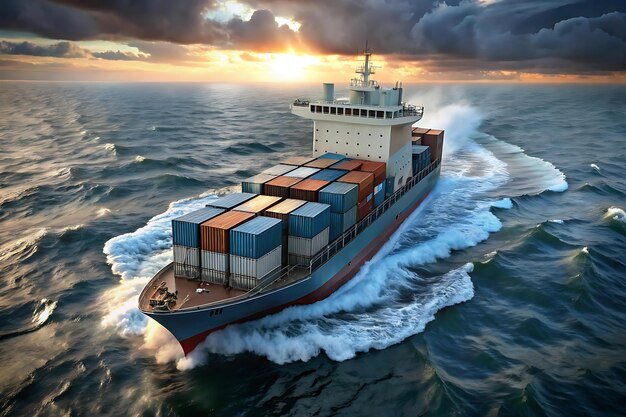
The maritime industry has always been the backbone of international trade, but 2026 has brought unprecedented challenges. Freight rates—the prices at which cargo is delivered from one point to another—have moved from being a back-office calculation to a front-page strategic priority for CEOs worldwide. As we navigate through the second quarter of 2026, it is clear that these rates are not just numbers; they are powerful forces reshaping the very structure of global supply chains.
Current freight rate volatility is driven by a complex “perfect storm” of factors. First is the Geopolitical Landscape. Ongoing disruptions in traditional maritime corridors, such as the Red Sea and the Strait of Hormuz, have forced a significant portion of the global fleet to reroute. Longer journeys around the Cape of Good Hope have increased transit times by 10-15 days, leading to higher fuel consumption and a shortage of available “empty” containers at key manufacturing hubs like Shanghai and Nhava Sheva.
Secondly, the Green Transition is now a financial reality. With the IMO 2026 Carbon Mandates fully active, shipping lines are facing heavy carbon taxes. To offset these costs, carriers have introduced “Green Surcharges,” directly impacting the bottom line of importers and exporters.
In response to these high and unpredictable costs, global businesses are abandoning the decades-old “Just-in-Time” inventory model. Instead, we are seeing a shift toward “Just-in-Case” logistics, where companies maintain larger stockpiles to buffer against shipping delays and sudden rate hikes.
Furthermore, “Near-shoring” has accelerated. To avoid the high costs of transpacific or Asia-Europe shipping, many European and American firms are moving production facilities to closer regions like Mexico, Eastern Europe, or North Africa. This shift is fundamentally altering trade lane volumes and forcing shipping agencies to rethink their service networks.
In this volatile environment, the difference between profit and loss often lies in efficient vessel and commercial management. This is where SJK Shipping Private Limited steps in. By leveraging advanced data analytics and technical excellence, we help ship owners and charterers optimize their operations.
Our approach focuses on:
Route Optimization: Using real-time data to minimize fuel consumption and bypass congested ports.
Technical Efficiency: Ensuring managed vessels operate at peak performance to reduce “Green Tax” liabilities.
Strategic Asset Management: Helping clients time their commercial contracts to hedge against sudden freight spikes.
As we look toward the remainder of 2026, freight rates will remain the primary heartbeat of global commerce. For businesses to survive and thrive, they must move away from reactive logistics and embrace proactive, expert-led maritime strategies. At SJK Shipping, we remain committed to steering our partners through these turbulent waters with precision and reliability.